Ningbo FUERD provides professional aluminum gravity casting services with customizable alloy materials, including A356-T6, A357, ZL101, ZL102 and other casting aluminum grades. We specialize in large, thick-walled and internally complex aluminum castings for industrial mass production.
Why choose gravity die casting:
Lower Mold Investment: Simple mold structures reduce tooling cost and shorten the path to production compared with high-pressure die casting.
Wide Forming Range: The process supports large, thick-walled and complex inner-cavity parts with wall thickness from 3mm to 50mm.
Heat-Treatable Strength: A356-T6, A357 and custom alloys support T6 heat treatment for improved strength and toughness.
Integrated Structures: Cooling fins, reinforcing ribs, mounting bases and other structures can be cast as one piece without secondary splicing or welding.
Gravity Casting Production Capability
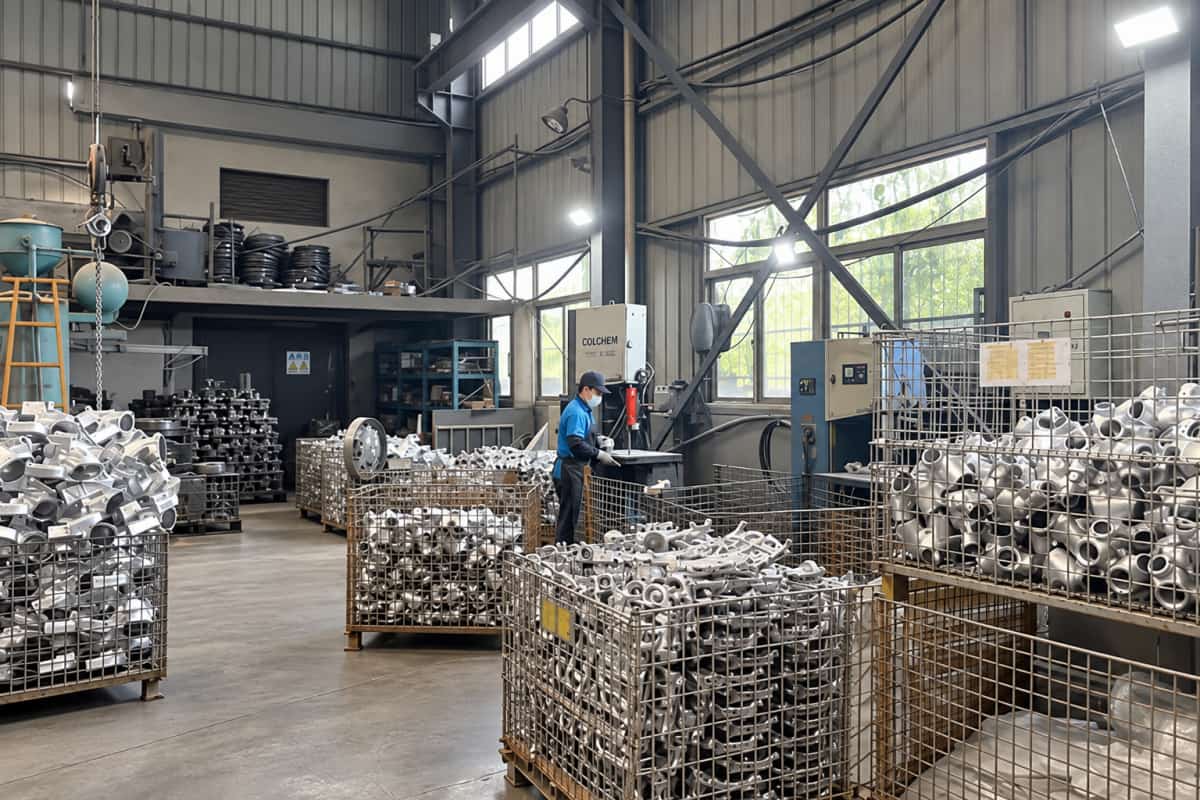
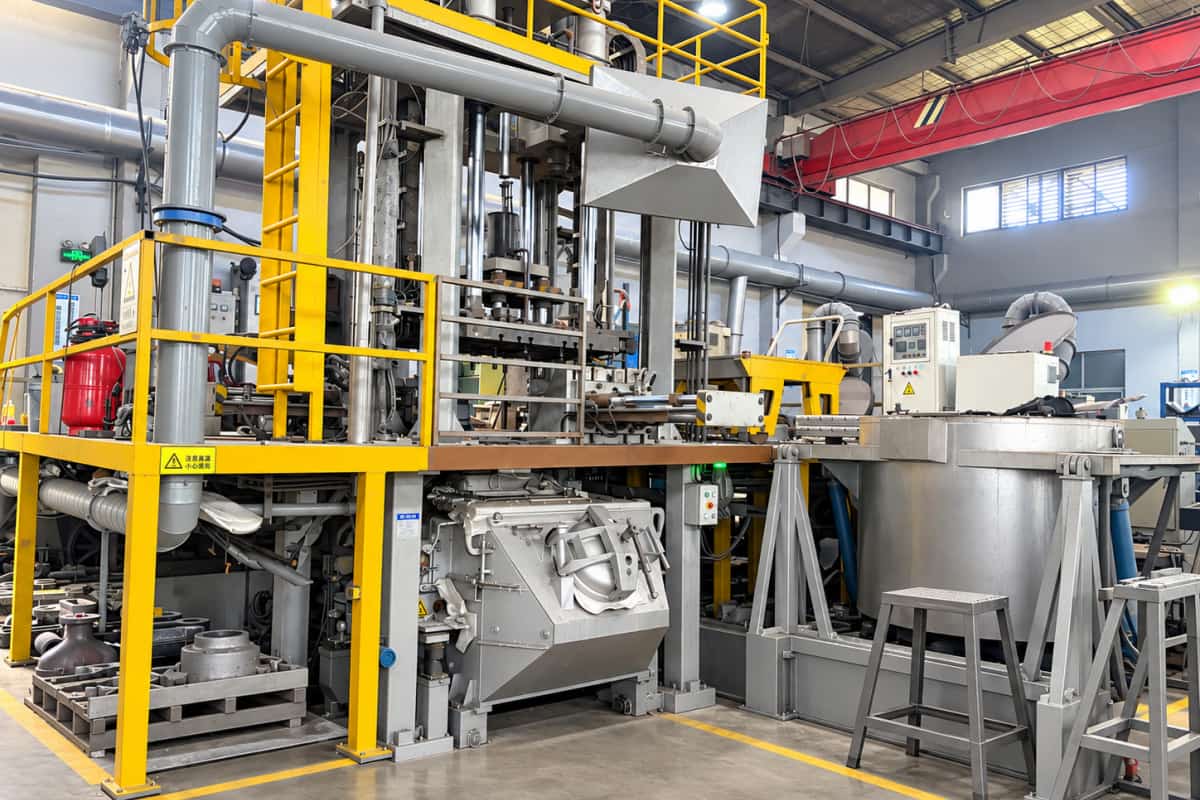
FUERD combines casting process optimization, controlled aluminum melting, permanent mold pouring, T6 heat treatment, precision CNC machining and surface finishing. This integrated workflow ensures flexible delivery for small-batch trials and cost-effective mass production of large, heavy and sand-core complex aluminum castings with stable batch consistency.
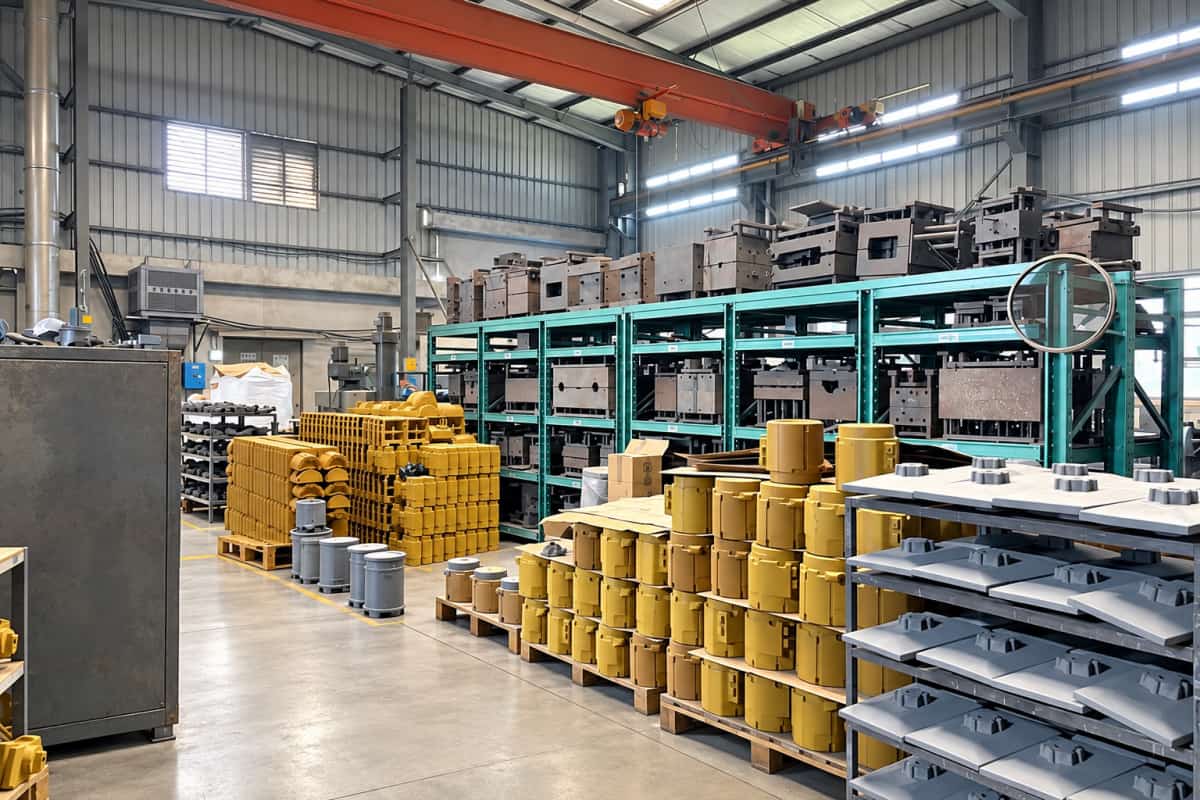
Integrated Casting & Machining Line
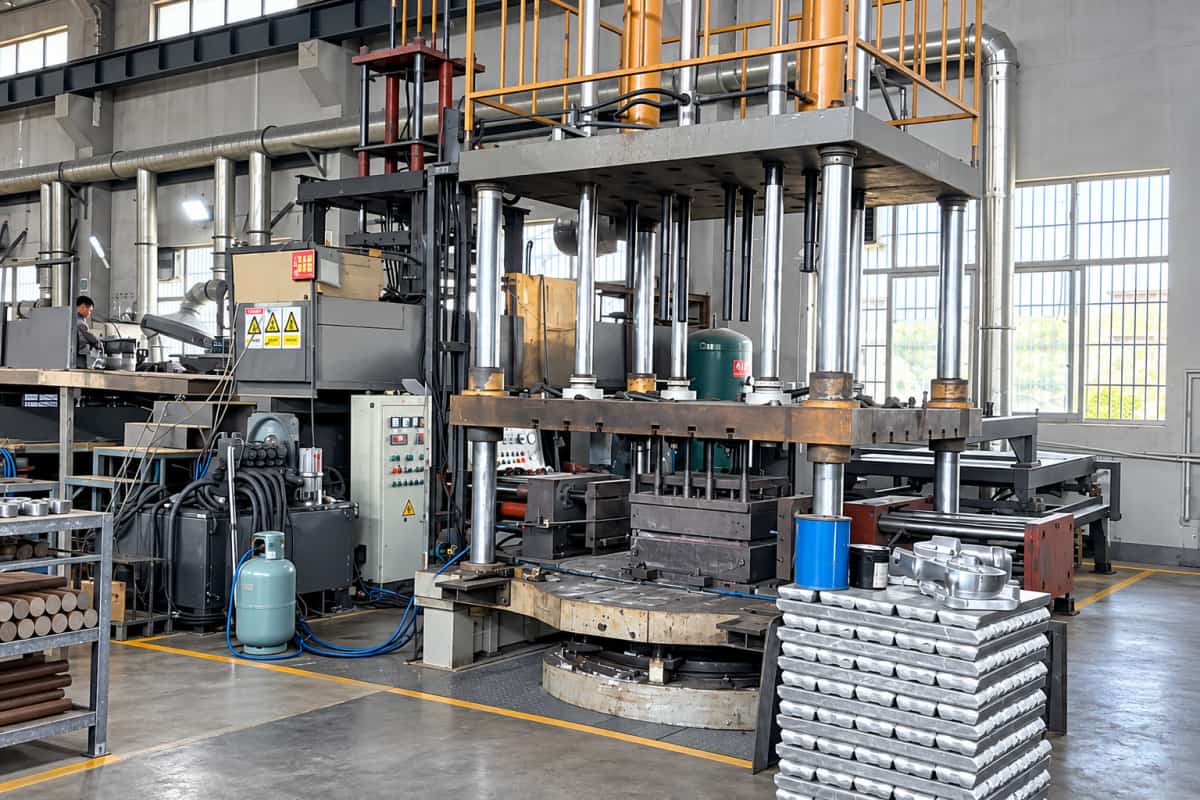
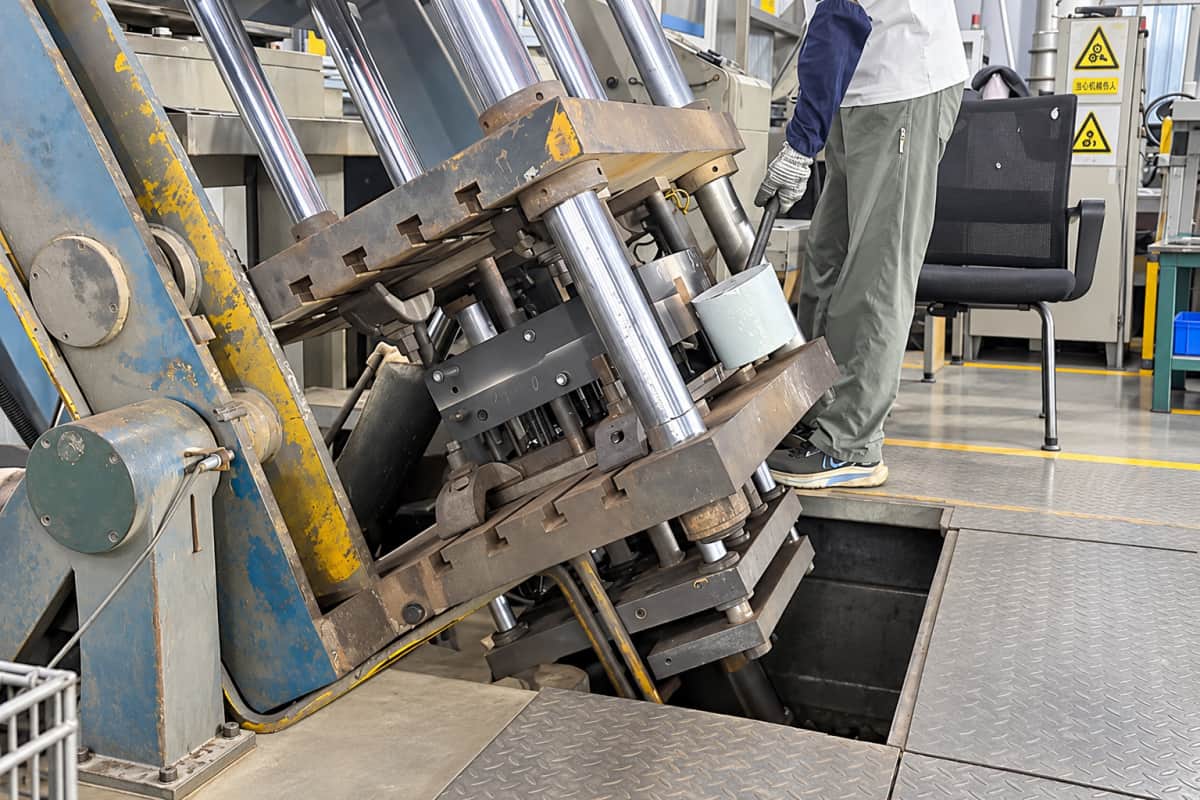
Hydraulic Tilt-Pouring Equipment
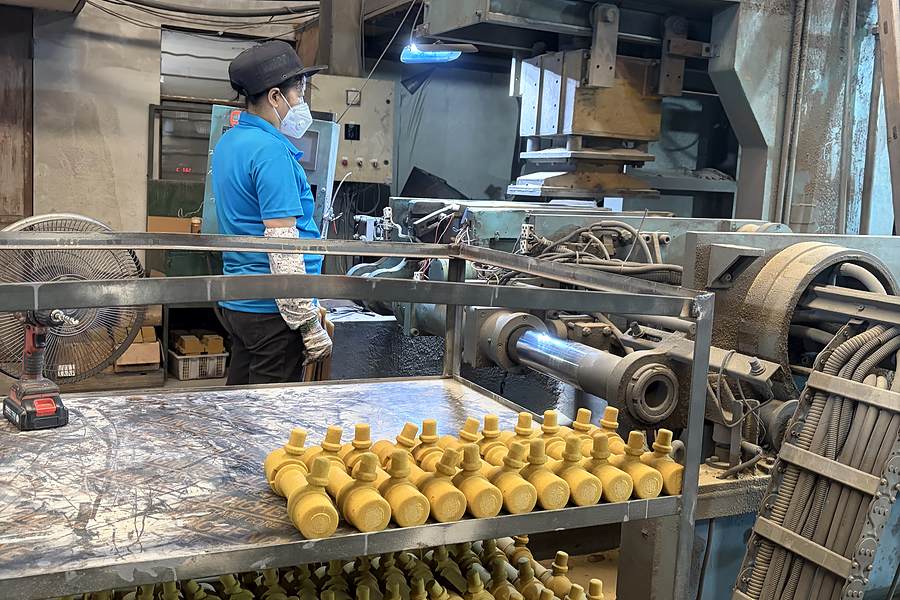
Permanent Mold Casting Workshop
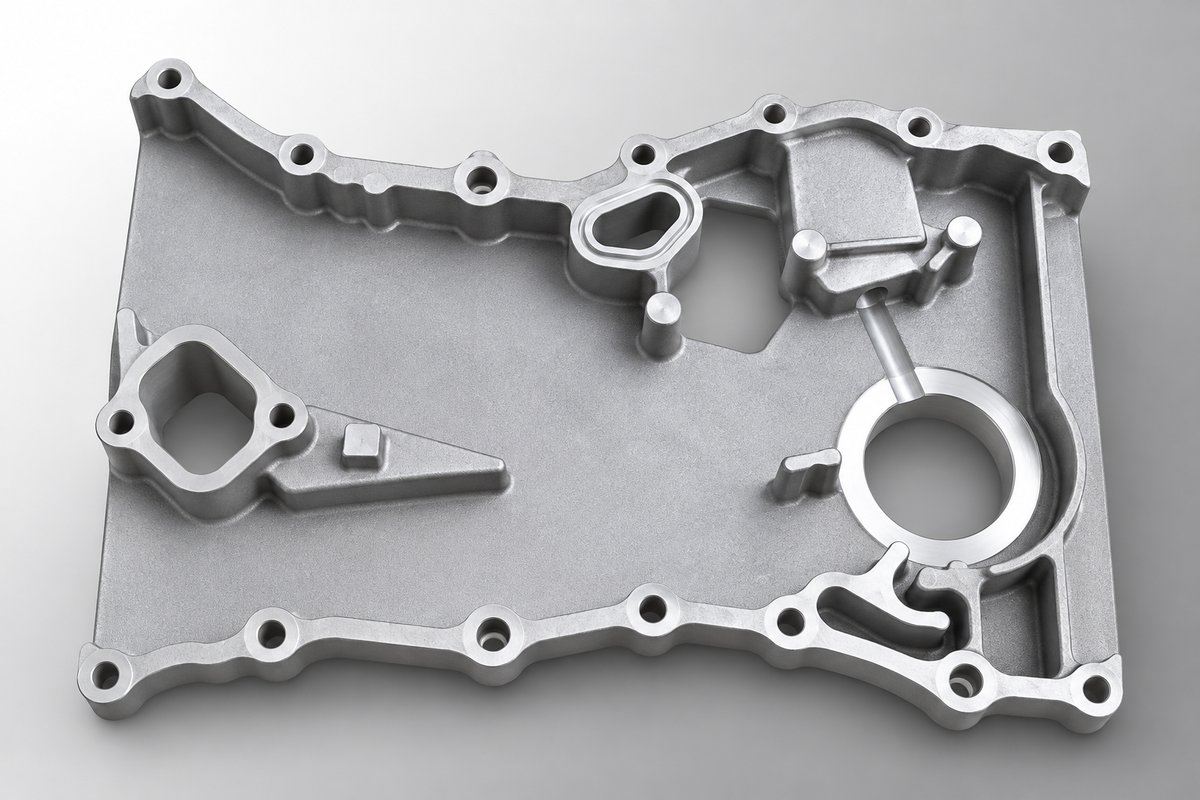
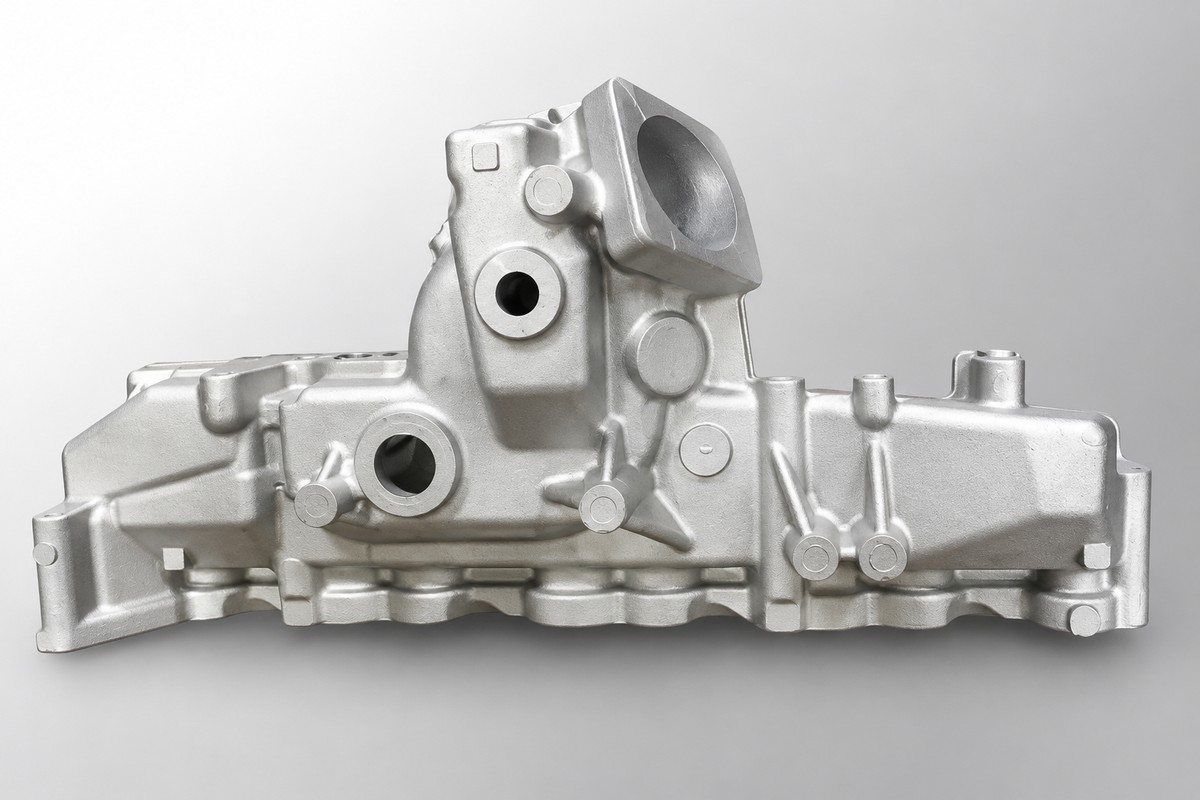
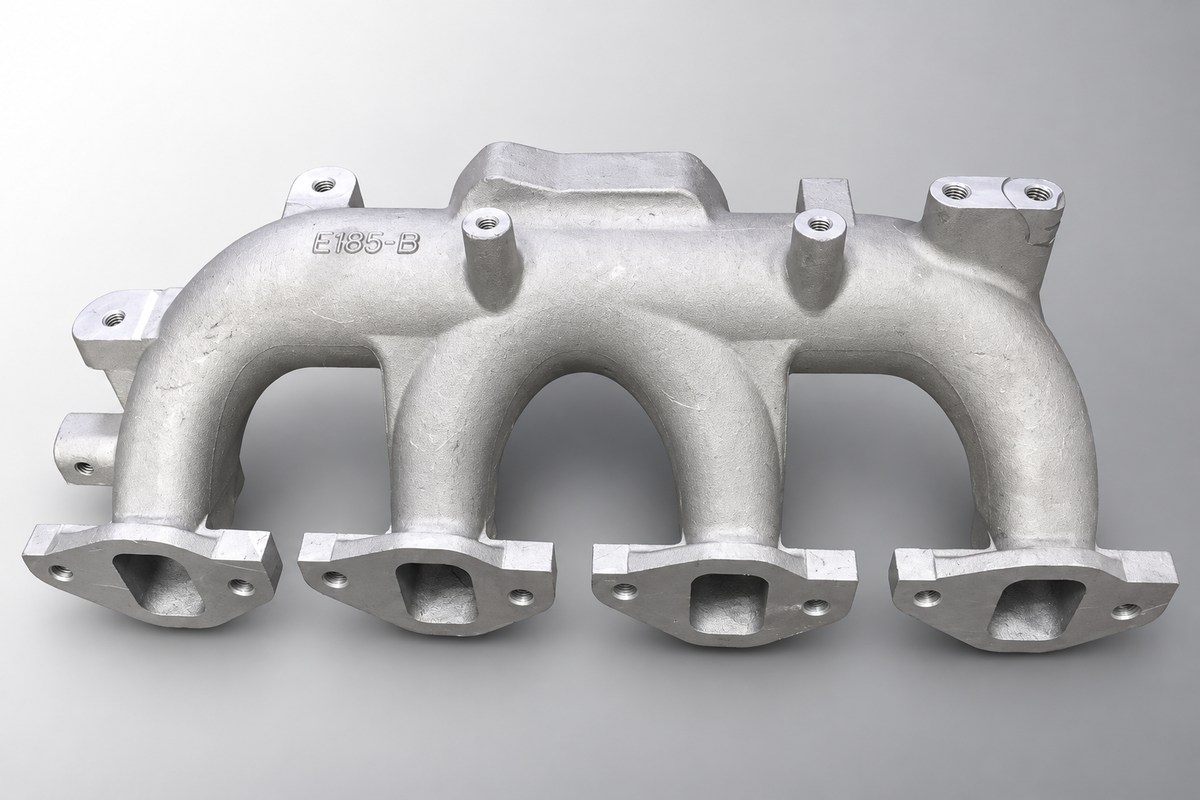
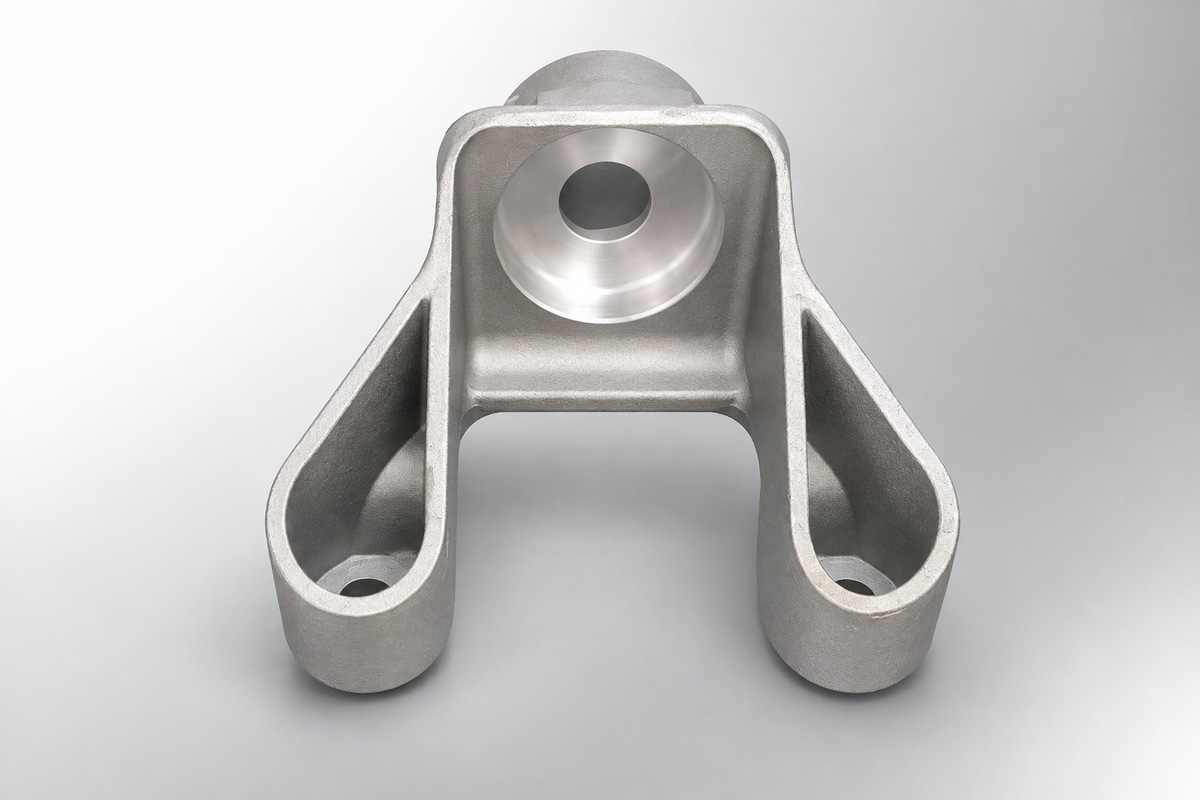
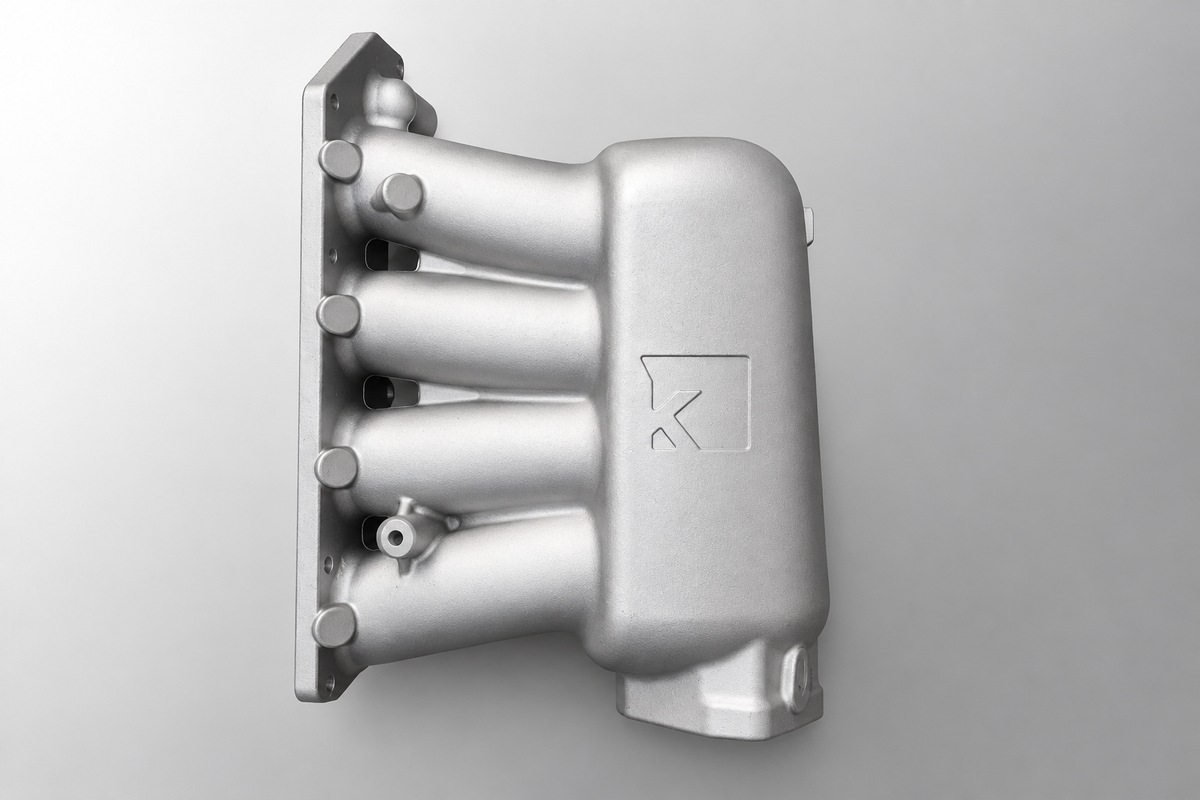
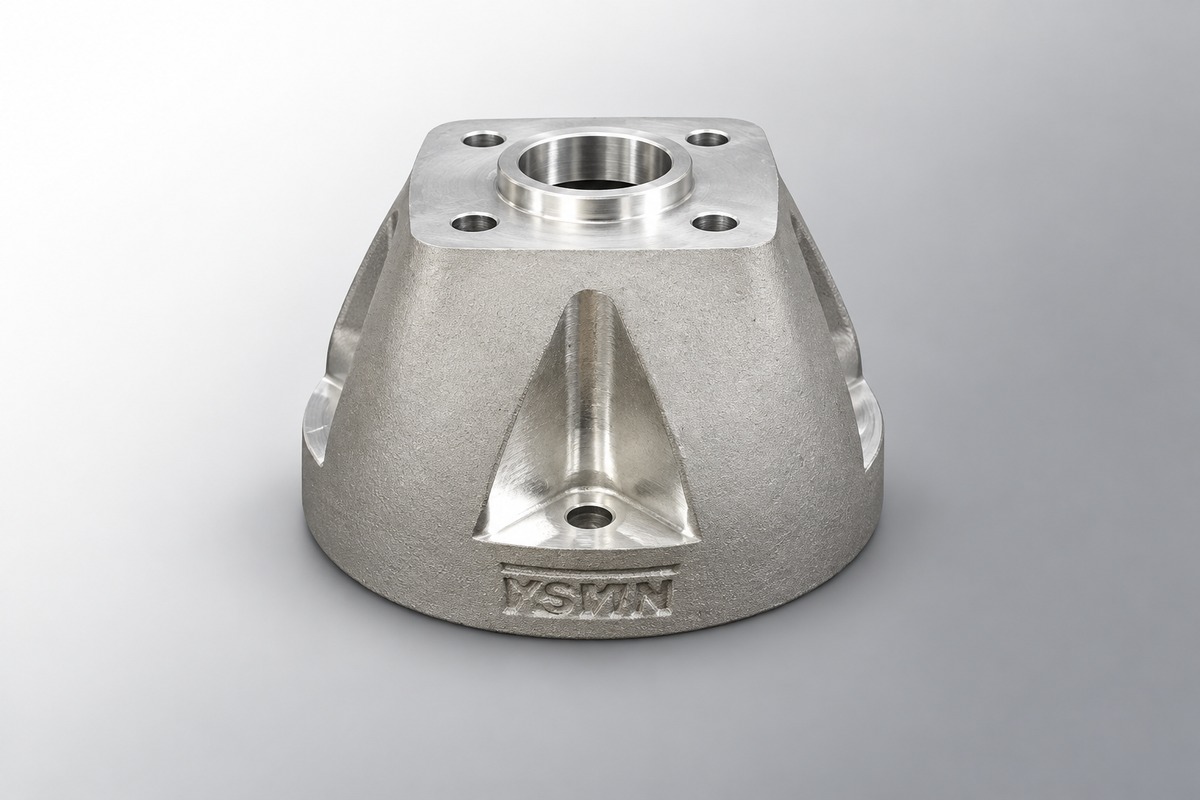
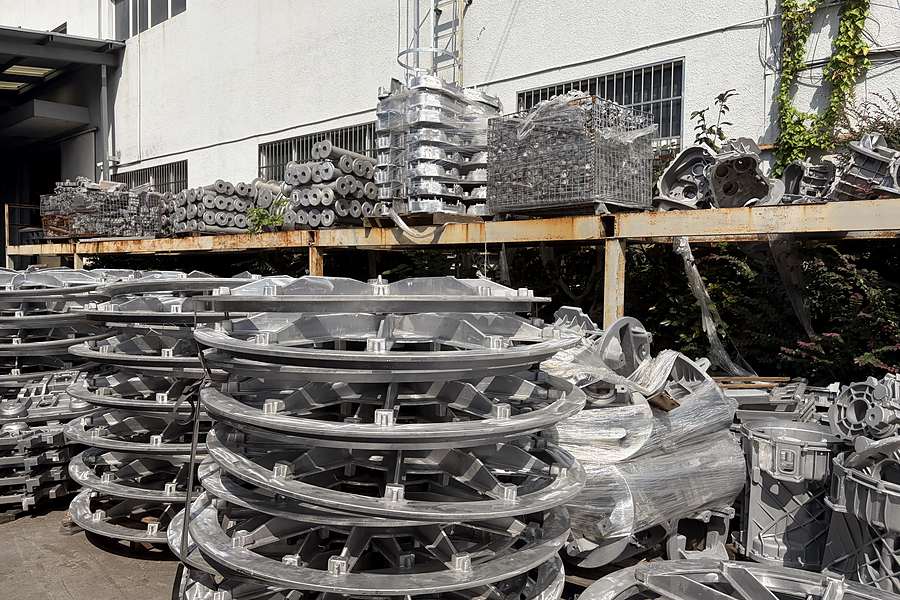
Gravity Die Casting Parts
Our gravity cast aluminum parts combine lightweight design with structural strength, dimensional stability and heat dissipation. The product range covers pipe fittings, equipment housings, mounting structures, intake manifolds and valve housings.
Have a large, thick-walled or sand-core aluminum part to develop? Send your drawing, sample, alloy requirement and target quantity for a process review and quotation.
Gravity Casting Manufacturing Scope
Our full-service process covers custom design, low-cost mold development, mold preparation, aluminum melting, pouring, cooling, demolding, machining and finishing.
Custom design from drawings or samples using UG, SolidWorks, Pro/E and CAD systems
Process optimization, structural adjustment and mold flow analysis
Low-cost 1045 steel and H13 steel gravity casting molds
A356-T6, A357, ZL101, ZL102, ZL104 and other customized aluminum alloys
Large and medium-sized castings with wall thickness from 3mm to 50mm
Sand core structures for hollow and internally complex parts
Manual and machine pouring for small-batch and mass production
Precision CNC machining with minimal post-processing where suitable
Anodizing, powder coating, painting, polishing, electroplating and other finishing options
Performance and Design Benefits
Gravity castings provide dense and uniform microstructure, stable thermal conductivity and good heat dissipation. Integrated ribs, fins, mounting bosses, threaded holes and lugs can reduce splicing, welding, secondary drilling and fastener installation.
The process supports low internal stress, deformation resistance, dimensional stability and standard industrial tolerance control. It is suitable for lightweight structural parts that still require high load capacity, heat resistance, impact resistance or pressure resistance.
Cost and Delivery Benefits
Compared with high-pressure die casting, gravity casting uses simpler molds with lower investment, simple operation, low consumption and low scrap rate. It supports stable batch consistency, shorter development cycles and efficient long-term supply.
Compared with low pressure casting, gravity casting offers a wider forming range for large and thick-walled parts, while retaining T6 heat-treatment capability and practical cost performance.
How Aluminum Gravity Casting Works
Gravity die casting relies on natural gravity to fill a preheated permanent mold. The method is simple and stable, while sand cores expand the design range for hollow, thick-walled and internally complex aluminum components.
Design and Process Review: Engineers review drawings, samples, alloy requirements and product structure, then optimize the process and mold design.
Low-Cost Mold Development: Simple 1045 steel or H13 steel molds are developed with flow analysis and process evaluation.
Mold Preheating: The mold is preheated to approximately 300°C to support stable filling and solidification.
Aluminum Melting and Degassing: Standardized melting and nitrogen degassing control liquid metal quality.
Coating and Pouring: Cavity coating improves surface quality and mold life. Sand core placement, cavity cleaning, filter installation and aluminum pouring follow standardized procedures.
Cooling and Demolding: Stable cooling and straightforward demolding simplify production and improve output efficiency.
Machining and Finishing: Parts receive only the required CNC machining, deburring and surface treatment before inspection and delivery.
Gravity Casting Workshop & Equipment
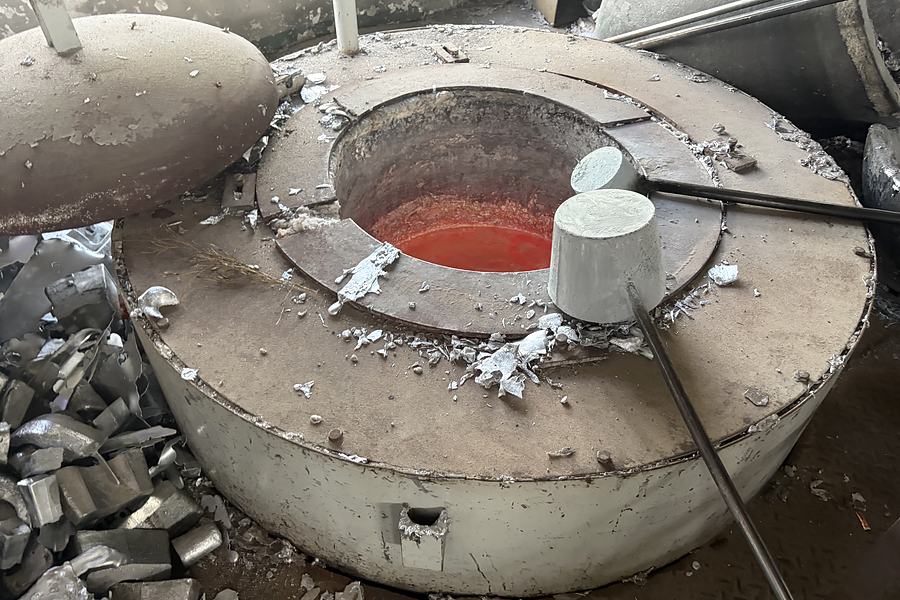
Standardized workshop facilities support clean nitrogen degassing, precise mold temperature regulation and controlled cooling cycles for high-yield, flaw-free aluminum casting production.
Standardized Aluminum Melting & Degassing
Permanent Mold Pouring Station
Cooling, Demolding & Production Output
Quality, Finishing and Application Support
Quality and Dimensional Stability
Precision molds and mature process control support stable dimensions, low internal stress, deformation resistance and tight tolerance control. Dense structures reduce pores and sand holes, while minimal machining helps shorten production cycles.
We select alloys according to working conditions, strength, heat resistance and corrosion requirements. A356-T6, A357, ZL101, ZL102 and ZL104 provide options for different structural and thermal requirements.
Surface Treatment and Assembly
Smooth, matte and textured surfaces can receive anodizing, electroplating, spraying, powder coating, painting, polishing or wire drawing after suitable preparation.
Integrated mounting structures, positioning bosses, threaded holes and lugs reduce component count, assembly steps and assembly errors while improving product consistency.
Gravity cast aluminum parts are suitable for automotive engine structures, intake manifolds, heat sinks, wheel hubs, gear housings and hydraulic systems, as well as other large or load-bearing applications.
Aluminum Gravity Casting FAQs
Q1. Which aluminum alloys are available for gravity casting?
FUERD mainly supplies A356-T6, A357, ZL101 and ZL102 aluminum castings. ZL104 and other custom alloy grades can also be selected according to strength, heat resistance, corrosion resistance and application requirements.
Q2. What wall thickness can gravity die casting produce?
Our gravity casting solutions support aluminum parts with wall thickness ranging from approximately 3mm to 50mm, including large, thick-walled and internally complex structures.
Q3. Can gravity cast aluminum parts be T6 heat treated?
Yes. A356-T6, A357 and suitable customized aluminum alloys support T6 heat treatment to improve strength and toughness for structural and load-bearing applications.
Q4. Why choose gravity casting instead of high-pressure die casting?
Gravity casting uses simpler, lower-cost molds and is better suited to large, thick-walled and sand-core complex parts. It offers lower tooling investment, low scrap and strong design flexibility, while still supporting heat treatment.
Q5. What surface treatments are available?
Available treatments include anodizing, powder coating, painting, polishing, electroplating, spraying and wire drawing. Shot blasting, deburring and CNC machining can also be arranged as required.
Q6. What information is needed for a gravity casting quotation?
Please provide drawings or samples, alloy requirements, estimated part size and weight, wall thickness, sand core needs, annual or batch quantity, critical tolerances, heat treatment and surface finish requirements.
We use necessary technologies to keep this site working. With your consent, we may also use functional, analytics, and marketing technologies. You can accept all, reject non-essential technologies, or manage preferences.
Cookie Preferences
NecessaryAlways on
Required for basic site operation and security. These cannot be turned off.
Optional features and preference enhancements (for example richer embeds).
Helps us understand how the site is used (requires your consent).
Advertising and conversion measurement (requires your consent).